Why We Choose Cotton and Linen: From Cloth History to Everyday Wear
Published September 19, 2026
In a market shaped by synthetics, why do we still focus on cotton, linen, and related plant fibers? From cloth history to everyday comfort - our reasons.
Walk into almost any fast-fashion store and the most common fiber on the label is polyester. It is inexpensive, durable, and easy to produce at scale. For much of the apparel industry, it has become the default.
At Linenroot, our assortment focuses on cotton, linen, and related plant fibers. That is not a casual choice. It comes from how we think about cloth history, everyday comfort, and the environmental differences that matter to us.
This article explains why we make that choice - and where we stop short of claims we cannot verify.
Cotton and linen: fibers worn for thousands of years
Cotton and linen are not new materials. They are among the oldest textile fibers used by people.
Linen use reaches back to ancient Egypt, where linen cloth was used in burial wrappings. Cotton has a long textile history across parts of India and the Middle East. For much of human history, everyday clothing was largely made from natural fibers such as cotton, linen, silk, and wool.
Even in the early twentieth century, most daily clothing was still built around natural fibers. Then the materials changed.
The rise of synthetic fibers
In the mid-twentieth century, synthetic fibers moved into large-scale commercial production. Polyester, nylon, acrylic, and related materials are made from petrochemical feedstocks. They can be produced quickly, at relatively low cost, with consistent performance - and they rapidly took market share.
Today, according to widely cited industry estimates, more than half of global textile fiber production is synthetic. Much of what people wear, and many household textiles, contain plastic-based fibers.
Synthetics have clear advantages: they can be inexpensive, durable, and crease-resistant. They also bring issues that cellulose-based natural fibers do not share in the same way.
An environmental difference that matters to us
Many synthetic fibers are plastic-based. Once released into the environment, they do not break down the way cellulose fibers can under microbial action. They may persist for a very long time.
Washing is another concern. A study published in Nature's Scientific Reports, using real-scale household washing machines, found that synthetic garments can shed substantial amounts of microplastic fibers during laundry. Other research has estimated that, worldwide, synthetic textile washing may release microplastics into aquatic environments on the order of hundreds of thousands of tonnes per year. These figures are estimates from published work, not a single universal measurement.
Cotton and linen are different on this point. Their main building block is cellulose - a natural polymer that can be broken down by environmental microbes. Natural fibers can still shed during washing, but their environmental persistence is not in the same category as synthetic microplastics.
How they feel: comfort you can notice day to day
Comfort is another core reason we focus on cotton, linen, and related plant fibers.
Synthetics can be tough and inexpensive, but their moisture handling is often weaker than that of many natural fibers. Polyester's moisture regain is commonly cited as under about 1%, which means sweat is less readily absorbed into the fiber and can sit between skin and cloth, feeling warm and damp.
Cotton's moisture regain is often cited around roughly 7%-8% of its weight; linen is often cited higher, roughly in a 12%-20% range, depending on fiber type and conditions. In practice, cotton and linen can take up moisture and release it through the cloth surface, which many people experience as cooler and drier wear in warm weather.
Anyone who has worn a cotton tee on a hot day knows the pattern: cotton absorbs sweat, and the cloth can feel a little clingy until it dries. Linen often feels drier sooner because of higher moisture uptake and faster evaporation. That is why linen is often called a summer cloth - less as a slogan, more as a reflection of fiber behavior.
Our choice at Linenroot
We are not trying to make the cheapest clothes, or to chase every seasonal trend. We focus on cotton, linen, and related plant fibers because:
- They feel comfortable for daily wear. Breathable, moisture-handling, and familiar against the skin - materials people have used for ordinary clothes for a very long time.
- They differ from synthetics on key environmental points. On biodegradability and laundry microplastics, cellulose-based fibers are typically in a different category from plastic-based synthetics. Growing and finishing still have impacts.
- They often soften with wear and washing. With normal care, many cotton and linen pieces become more pleasant over time. How long a garment lasts still depends on use and care.
- Their comfort comes from the fiber first. Softness and breathability are inherent strengths of these fibers. Some styles still use dyeing or finishing; we avoid unverifiable claims about "chemical-free" production.
Most Linenroot styles focus on cotton, linen, and related plant fibers such as lyocell, modal, and ramie. A few pieces may include other materials - for example metallic fiber, leather trim, or a lining. Fiber and material details, including blends, linings, and trims, are listed on each product page. We do not make claims we cannot support; we choose materials with a long use history and clear, checkable product details.
If you also believe everyday clothes should feel good to wear and honest to describe, explore our women's and men's pieces focused on cotton, linen, and related plant fibers.
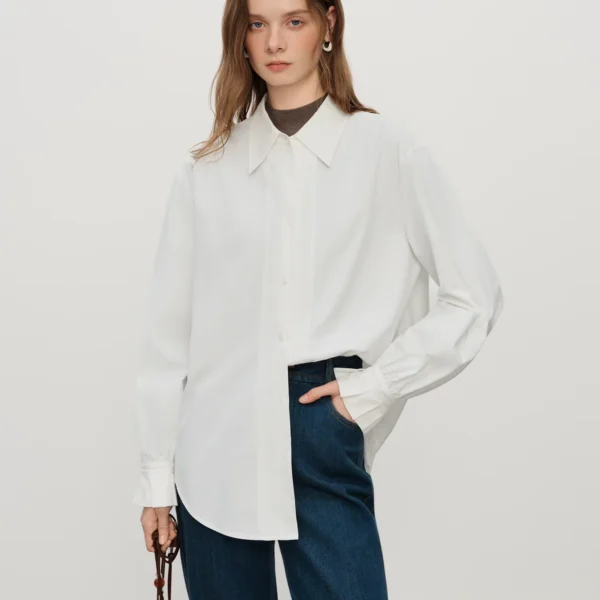
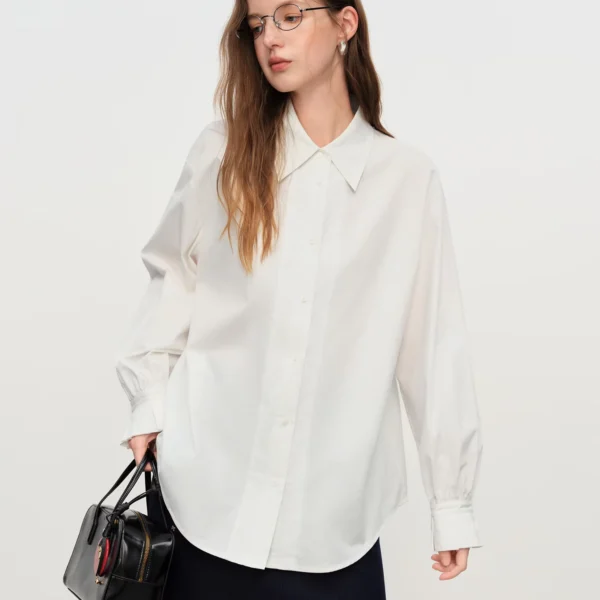
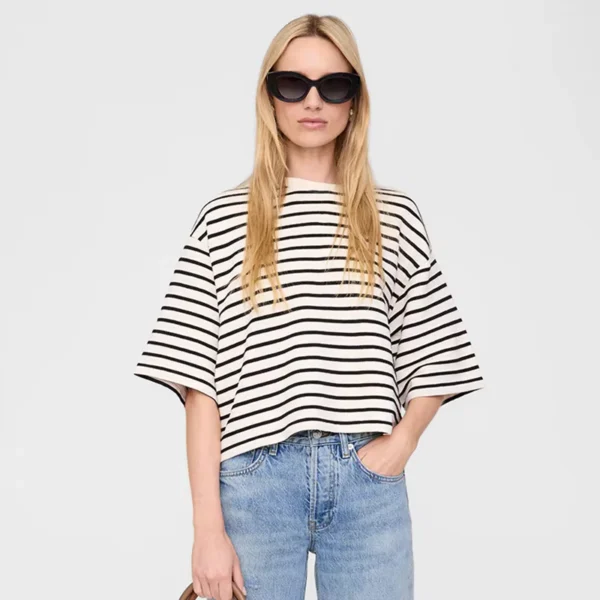
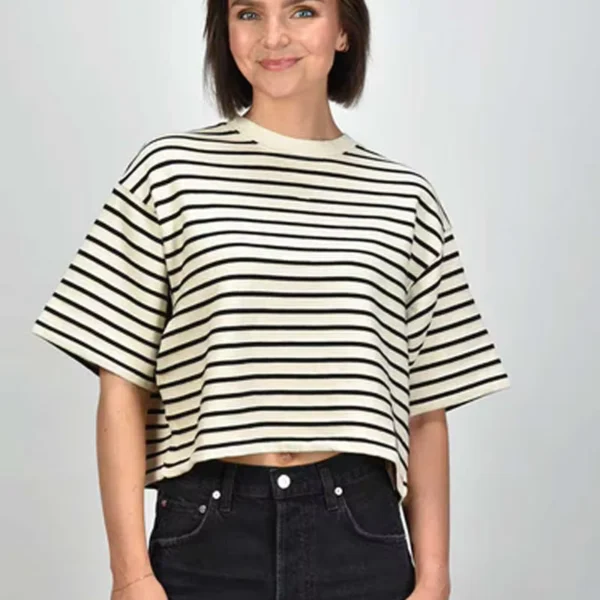
Start with a cotton tee or a linen shirt - and check the product page for the Fiber and material details of each style.
Related reading: About Us - Size Guide - Shipping Policy